Explain Scuba Gear -
Or What the Heck is that?
You're thinking about diving. You've seen pictures of divers. But could someone please explain scuba gear so you can understand why divers look like some creature from the deep.
Not to worry. Here's a primer on what it all is and how it all fits together.
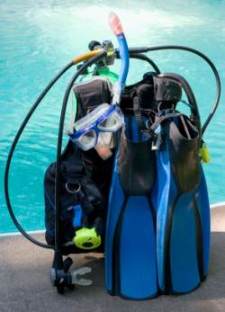
Explanation of Scuba Gear
Let's begin with the basics: mask, fins and snorkel.
Scuba Diving Mask:
Obviously an important tool, letting you see underwater. It also creates an air pocket in front of you face. This allows you to equalize your ears as you descend. You equalize by holding your nose and blowing. Try it next time you dive for something at the bottom of the pool.
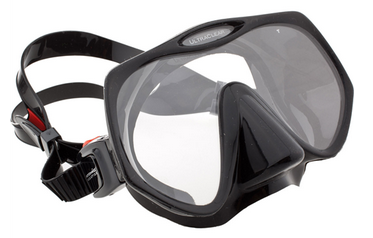
To get a proper fit, put the mask up to your face and stop when it is barely touching your face. Do not press the mask hard onto your face. Ideally the mask should touch all around your face at the same time. There should be no gaps between the skirt and your skin.
Inhale gently. If the mask stays on it might be right for you. Check for any gaps between the rubber around your mask (called the skirt) and your face. My husband has chubby cheeks and can't find a mask with the perfect fit. It happens. You will become a champion at clearing your mask though.
You can get my free guide to dive mask here for more detailed information.
Dive Fins:
Fins allow you to move easily underwater. There are two types of fins - full foot and open heel. Full fit fins go on your bare foot. You wear a bootie (like a sock) with open heel fins. Just put your foot in the fin and pull the strap over your heel.
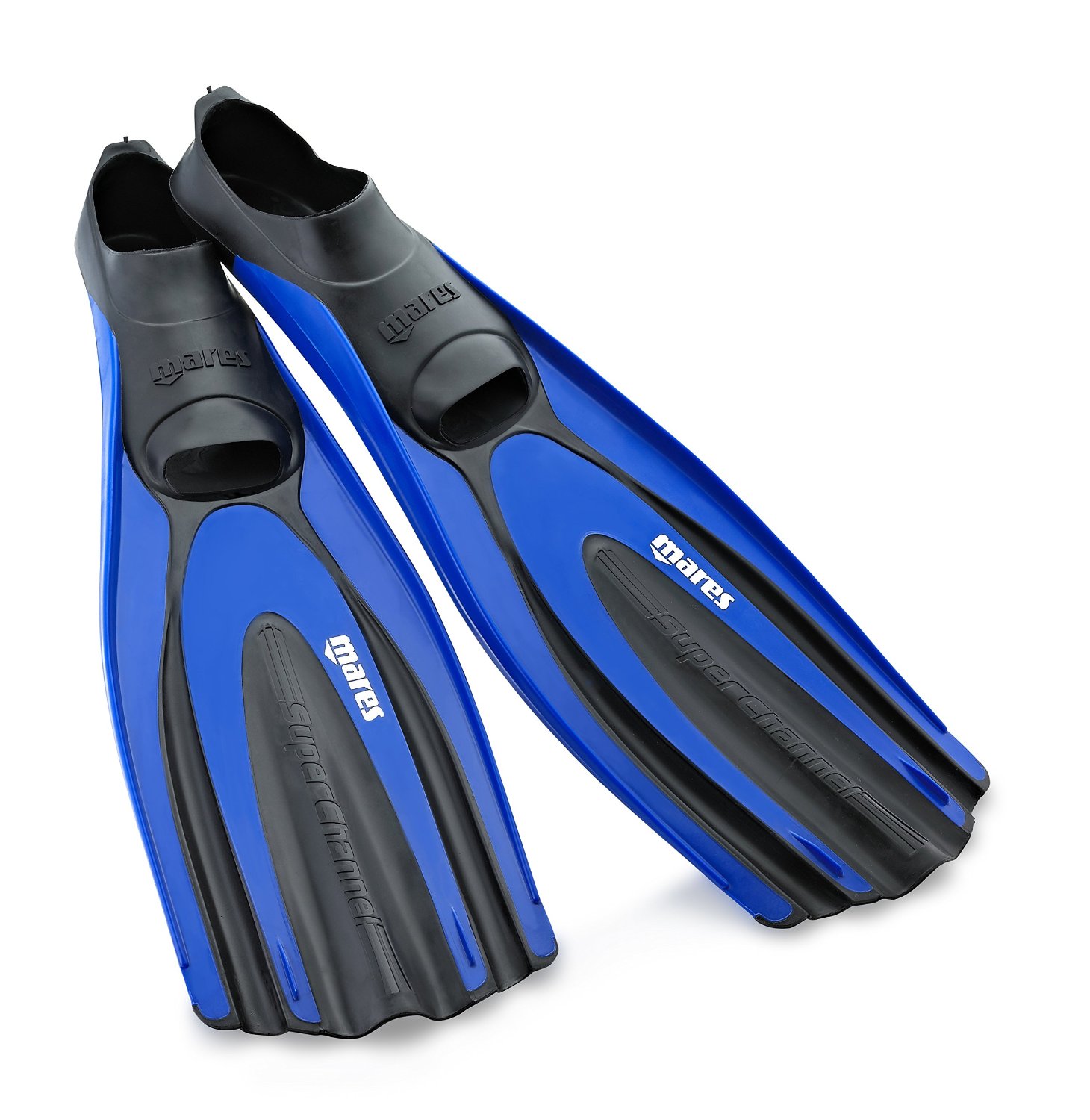
We have the full fit fins since we only dive in tropical waters. They have worked fine for us. Full foot fins are usually less expensive than open heel fins. One advantage of open heel fins is that you have a scuba bootie (see guide below for info) on. This makes it easier to walk around a wet dive boat. It can get slippery and the booties help.
Fins should fit comfortably, not too tight and not too loose. Just like a shoe.
You can get my free complete guide to fins here for more detailed information.
Snorkel:
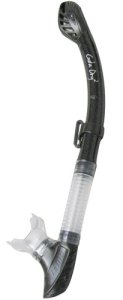
A snorkel allows you to breathe while swimming face down on the surface. I also use it if the water is rough and I'm waiting on the surface for other divers to get off the boat. Some people use their scuba regulators on the surface. Using a snorkel saves some air. It doesn't make that a big a difference though so do what is comfortable. The snorkel goes on the left side of the mask and attaches to the mask strap.
Get our complete free guide to snorkels here.
The Rest of the Gear Setup:
The following list contains more necessary dive equipment. However, you might want to rent these before you make a huge money investment. Make sure diving is something you are comfortable with and want to continue before making any big purchases. Explain scuba gear continues below.
I do recommend purchasing a mask, fins and snorkel. Fit is important for these pieces so it is good to have your own. When you take a scuba certification course many dive shops require you purchase your mask, fins and snorkel. Courses usually include the use of the rest of the equipment needed. Explain scuba gear continues:
Buoyancy Compensator (BCD)
This fits like a vest and holds the tank on your back. This piece of necessary scuba diving equipment allows you to control your depth in the water. You put air in the BC if you want to rise in the water. There is a release mechanism (usually two or more) that lets air out of the BC if you want to descend.
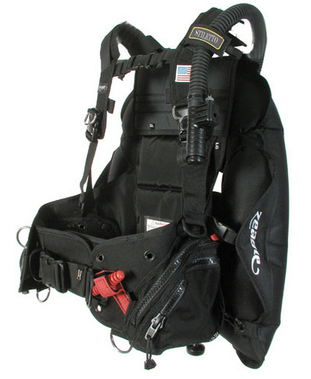
Air can be put into a BC in two ways. The first way is through the power inflater. You press a button and air goes into your BC. The second way is through the mouthpiece. It is at the end of a hose that is attached to your BC. Either way works. The hose goes on the left side of the BC.
Check out my free guide to scuba bcds here for more detailed information
Regulators:
When people first see this, this is when they really want you to explain scuba gear. The regulator/octopus is what allows you to breathe underwater. Obviously, a very important piece of scuba diving gear.
The regulator attaches to the top of the tank (called the first stage). There is then a hose that has the regulator mouthpiece attached allowing you to inhale air underwater (second stage).
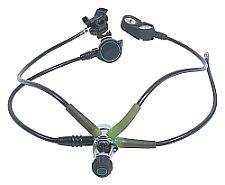
The regulator also consists of a second hose with another mouthpiece attached. This is called your octopus. The octopus has a longer hose and is usually bright yellow. In addition to being a backup to your primary regulator, the octopus is there to be used by another person in case of an emergency. The yellow color makes it easy to find. Both the regulator and octopus go on the right side.
A successful dive is one when you don't have to use the octopus!
Pressure Gauges: These tell you how deep you are, what your
maximum depth was and how much air you have left. These are also part of
the regulator setup.
Dive Computer
All dive computers tell you 4 basic things:
1. Your current depth
2. Your maximum depth during the dive
3. Your length of time underwater
4. How much longer you can stay safely underwater at any particular depth
Depending on the model of computer, it can also tell you much more information.
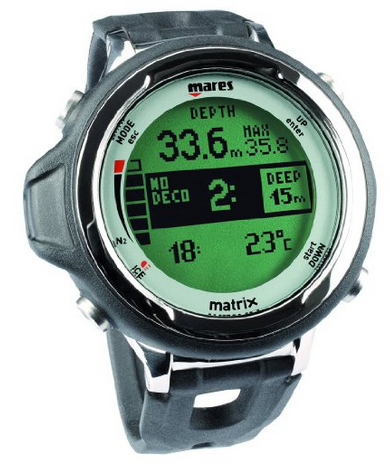
There are 2 major types of models of dive computers. One, like the one pictured here is worn on the wrist. The other type of dive computer is incorporated into the regulator setup.
We have a very basic dive computer that attaches to our regulator hose. It doesn't tell us alot more than the above info. But it's all we need. Unfortunately, they don't make this model anymore. I don't know what we will do when ours break.
We've met quite a few divemasters that used to have this computer. It was one of the cheapest on the market when we bought it. One divemaster even offered to buy ours because his went kaput. No sale.
We didn't have dive computers when we first started diving. When I explain scuba gear, I now consider this a piece of necessary scuba diving equipment. A computer gives you alot more bottom time than you would have diving off the tables.
Check out my free guide to dive computers for more detailed information.
Dive Watches
If you don't have a computer, you will need a watch or other timing device. You need to be able to track your dive time and your safety stop.
If this is your primary timing device (meaning you do not have a computer), you need to go for higher quality. You do not want this to fail at 100 feet. You can get some good quality dive watches at reasonable prices.
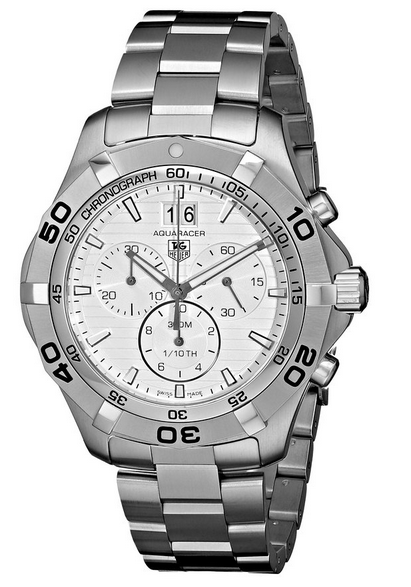
If this is your secondary timing device, there is no need to get fancy here. It's easy to find cheap dive watches (some around $10) that are safe to 100-150 feet. These should be fine - with one caveat. Only use these if it is your secondary timing device.
My husband has been using the same dive watch ($20 or so) for about 100 or so dives with no problem. On the other hand, my watch which was similar failed after about 25 dives but I had my computer so it was no big deal. If you don't use a digital watch, you should buy a watch with a bevel.
You can get my free guide to dive watches here for more detailed information.
Wetsuits/Dive Skins
Water conducts heat away from you so these keep you warm underwater. A skin is a very thin piece of material (usually Lycra) with full arms and legs. It doesn't keep you warm but it protects you from scrapes and stings.
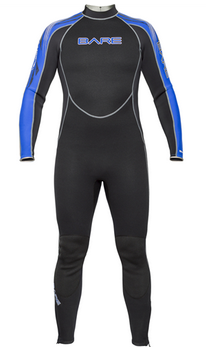
A wetsuit can be full body (full arms and lets) or a shorty (short or no arms and short legs). It is usually made of neoprene. When you explain scuba gear, people always ask - "Can people breathe in those suits? It looks tight?" A wetsuit should be snug but you should still be able to breathe comfortably.
People typically wear 3mm wetsuits in the Caribbean. It's a personal preference. My husband and I only wear a skin if we are only doing a couple dives that day. If we are doing a dedicated dive trip, with 4 or more dives a day for a week, I'll usually wear a shorty wetsuit. It starts to get chilly after all that diving!
You can check out my free guide to scuba diving wetsuit here.
Now for the last entry in "Explain scuba gear":
Weight Belt/Weights
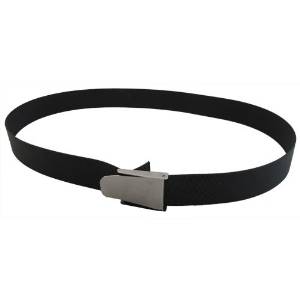
Weight belts enable you to descend and stay underwater. People are positively buoyant so they need weights to help them descend. Typically weights are added to a belt that goes around your waist. More and more common, however, are BC's that have pockets to put the weights in, so you don't need the belt.
When you first start out, the divemaster
can estimate how much weight you need. You start with that and then
adjust as needed.
So there you have it. My attempt to explain scuba gear for you. After you use the equipment a couple of times, it all comes together. So don't worry, get started and have fun! If you have any questions about "Explain scuba gear" please feel free to contact me.
I hope you have many great dives ahead of you!
Want to stay down longer and improve your buoyancy control and other diving skills? Our free report "Increase Your Bottom Time" along with our practical, weekly actionable tips will have you looking like a seasoned diver in no time. So come join us and see improvement on your very next dive!
(Click on the photo to join us now!)

What's New


-
Happy New Year
Jan 01, 24 06:00 AM
Happy New Year everyone! I hope everyone is well and had a fun New Years Eve! May your new year be filled with lots of wonderful dives. All the best to you and yours in 2024! Let the dives begin. -
Happy Holidays
Dec 14, 23 05:05 AM
I hope everyone is enjoying the holiday season! I am always amazed at how fast time flies and another year is just around the corner. I wanted to pop in and say hi to everyone. I am doing some full ti… -
3 Common Scuba Diving Mistakes New Divers Make
Feb 23, 23 02:18 PM
 In this video, I share 3 common scuba diving mistakes beginner divers make. Learn how to correct these for a better - and safer - dive.
 -
Scuba Diving Tipping Etiquette: How Much And When To Tip Scuba Crew
Feb 06, 23 03:34 PM
 Not sure of scuba diving tipping etiquette? In this video I share who to tip, when to tip, how much to tip, tipping on liveaboards, tipping an instructor & more
 -
Scuba Diving Tips For First Time
Jan 29, 23 05:41 PM
 These scuba diving tips for first time divers will help improve buoyancy control, air consumption, equalization and boat diving. Improve on your very next dive!
Click below to grab our free report and weekly actionable tips:

Popular Pages
 |
 |
 |
 |


New! Comments
Have your say about what you just read! Leave me a comment in the box below.