Scuba Regulator Maintenance
How to Clean, Store And Take Care of Your Diving Reg
Since it is your lifeline underwater, regular scuba regulator maintenance is something you will want to practice.
Luckily, it is pretty straightforward and easy.
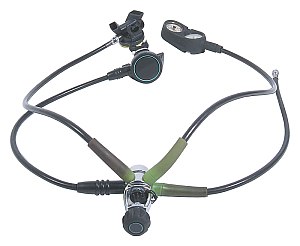
Caring for, cleaning and storing your scuba regulator is not rocket science.
It is actually pretty quick and easy to do so there aren't many excuses for not getting it done. Sorry!
If you want to take care of only one piece of your dive equipment, let it be your regulator.
(For more information on regulators, you may find our free guide to scuba regs helpful. You will also see our picks for best diving regulators at different price points.)
Steps for Scuba Regulator Care
- Dry and Put Dustcap on
- Soak in Clean Water
- Work the Levers (but not the purge!)
- Follow With a Stream of Water
- Dry Thoroughly
- Store Properly
- Get Annual Scuba Regulator Service (maybe?)
If you are cleaning your regulator while it's off the tank, make sure the dust cap is dry.
One way to do this is to blow the water off with air from the tank.
Alternatively, towel dry the surface of the dustcap. Then securely fasten the dustcap on the opening. You do not want any water to get in the first stage of the regulator.
This is an important step in scuba regulator maintenance and will get rid of any deposits that may be on your regulator. If you only do one thing in your diving regulator maintenance routine, make it be this step.
Dive shops usually have a rinse tank that you can use after a dive to rinse your gear. If you are not at a shop, rinse your regulator as soon as you get a chance.
While your reg is soaking, work any levers/buttons back and forth to loosen anything that may have attached to your equipment.
However, make sure you do not push the purge button. This will let water into the second stage which could travel up to the first stage. Something you do not want to happen.
If you get a chance, run a stream of water through the first and second stages (again, with the dust cap securely in place and without pushing the purge button). This should get rid of any remaining particles in the chambers and other openings.
Let the regulator dry throughly before you store it. Do not dry in the direct sunlight as it can affect any rubber parts.
Store the regulator in a cool, dry spot. Store away from sunlight and fumes.
Position the regulator in such a way that the hoses are not kinked.
Most scuba regulator manufacturers require the regulator to be serviced annually in order to remain under warranty. Check the terms on your regulator.
Whether an annual service is really necessary has been the subject of much debate. One thing is sure, it adds to the bottom line of the manufacturers. Whether you bring it in for annual service is something you will have to decide for yourself.
So there you have it, easy and straightforward scuba regulator maintenance. Follow these steps and your diving regulator should give you many years of great diving.
You many find our guide to dive regulators helpful if you need more information.
Looking for other scuba equipment and accessories? Check out our picks for best scuba equipment.
Want to stay down longer and improve your buoyancy control and other diving skills? Our free report "Increase Your Bottom Time" along with our practical, weekly actionable tips will have you looking like a seasoned diver in no time. So come join us and see improvement on your very next dive!
(Click on the photo to join us now!)

What's New


-
Happy New Year
Jan 01, 24 06:00 AM
Happy New Year everyone! I hope everyone is well and had a fun New Years Eve! May your new year be filled with lots of wonderful dives. All the best to you and yours in 2024! Let the dives begin. -
Happy Holidays
Dec 14, 23 05:05 AM
I hope everyone is enjoying the holiday season! I am always amazed at how fast time flies and another year is just around the corner. I wanted to pop in and say hi to everyone. I am doing some full ti… -
3 Common Scuba Diving Mistakes New Divers Make
Feb 23, 23 02:18 PM
 In this video, I share 3 common scuba diving mistakes beginner divers make. Learn how to correct these for a better - and safer - dive.
 -
Scuba Diving Tipping Etiquette: How Much And When To Tip Scuba Crew
Feb 06, 23 03:34 PM
 Not sure of scuba diving tipping etiquette? In this video I share who to tip, when to tip, how much to tip, tipping on liveaboards, tipping an instructor & more
 -
Scuba Diving Tips For First Time
Jan 29, 23 05:41 PM
 These scuba diving tips for first time divers will help improve buoyancy control, air consumption, equalization and boat diving. Improve on your very next dive!
Click below to grab our free report and weekly actionable tips:

Popular Pages
 |
 |
 |
 |







Recent Articles
-
Happy New Year
Jan 01, 24 06:00 AM
Happy New Year everyone! I hope everyone is well and had a fun New Years Eve! May your new year be filled with lots of wonderful dives. All the best to you and yours in 2024! Let the dives begin. -
Happy Holidays
Dec 14, 23 05:05 AM
I hope everyone is enjoying the holiday season! I am always amazed at how fast time flies and another year is just around the corner. I wanted to pop in and say hi to everyone. I am doing some full ti… -
3 Common Scuba Diving Mistakes New Divers Make
Feb 23, 23 02:18 PM
In this video, I share 3 common scuba diving mistakes beginner divers make. Learn how to correct these for a better - and safer - dive.
New! Comments
Have your say about what you just read! Leave me a comment in the box below.