Scuba Dive Computer:
Which Type and Style is Right for You?
A scuba dive computer is a fantastic piece of scuba gear which comes in several different types and styles.
Whether you want to buy a console or wrist style, hoseless, nitrox, air integrated, etc. - one thing is for sure - a computer is a divers best friend.
Think of all the extra bottom time it safely gives you compared to diving off of tables. I couldn't imagine diving without one now.
Which type will work best for you is really a matter of personal preference. - as is what information you want the diving computer to generate.
The different types/styles of dive computers are not mutually exclusive. For instance, you can get a wrist mounted dive computer that is air integrated.
So it's like a menu, pick the features that appeal to you and get the best scuba dive computer to meet your needs.
Here is a list of the different types and/or styles you can choose from:
(You may also want to take a look at our free scuba diving computer guide for more information - including our picks for best computers.)
Wrist Dive Computer
The wrist dive computer is very popular. These types of computers look like large watches and are worn on the wrist (obviously, hence the name).
They will tell you all you need to know at a glance. People sometimes use their dive computer watches as everyday wrist watches.
Cool factor coming into play here!
Some wrist dive computers are also able to be mounted in a console (see below) so you have an option with one purchase.
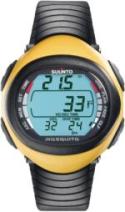
On some models the faces may be a bit small for all the information the computer can display, so make sure you will be able to read it underwater.
Some wrist dive computers are rectangular in shape, giving you a larger display area and easier to read numbers. This would probably be your best bet if you want a wrist mount and have trouble reading smaller numbers.
Unless they are air integrated and wireless (see below) wrist scuba dive computers usually do not come with a pressure gauge.
One small disadvantage here is that these can be pretty easy to misplace/lose. Since this can be a sizeable investment, you want to keep track of this piece of scuba equipment.
Console Dive Computer
A console dive computer is attached to the rest of the equipment via a hose. The console
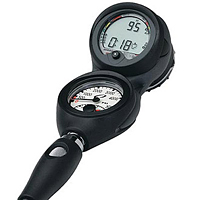
dive computers typically come with a pressure gauge, unlike the wrist mounted option.
The readouts are generally larger than on a wrist dive computer so they can also be easier on the eyes.
There are also options for a scuba dive computer to be mounted on your hose (this is the type we currently use) or clip onto your BC.
Choose whichever is more comfortable for you and fits into your price range.
Other factors you need to consider when choosing a dive computer are:
Nitrox Dive Computer or Not?
With nitrox diving becoming more and more common, so are computers that are nitrox compatible.
Even if you aren't diving with nitrox now, if you are even thinking of diving with nitrox in the future, it is probably worth it to purchase a nitrox dive computer. This will save you the expense of buying a whole new computer in the future.
However, if you don't think you will ever dive with nitrox, then there is no reason to pay for this feature.
A standard air computer is probably $100 (or more) cheaper than its nitrox counterpart.
All dive computers can dive with standard compressed air, but not all dive computers can dive with nitrox. Nitrox dive computers allow you to program the percentage of oxygen in your mix (standard compressed air is 21% oxygen).
A nitrox dive computer shows all the same information as air computers so it's ability to program various gas mixtures is it's distinguishing feature.
Air Integrated Dive Computer or Not?
Air integrated dive computers are also becoming more commonplace.
An air integrated computer measures the tank pressure (in addition to all the other information shown on the computers face) and then calculates how much more time you have left at the current rate of air consumpetion.
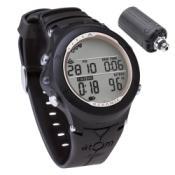
So if you are chasing that beautiful fish and you are running out of time, you might want to slow down and extend your dive. The air integrated dive computer will tell you how much time you can spend at any exertion level.
An air integrated scuba dive computer replaces the need for a submersible pressure gauge (SPG).
However, one downside of this style is that if it fails, you lose information on how much air you have left in your tank.
Dive over.
Another factor to consider is price. Air integrated dive computers are typically the most expensive models out there.
You have to decide if this feature is worth the extra money or not. And lucky you if air integration is an option!
Hoseless Dive Computer or Not?
When we get to the hoseless scuba dive computer, we are talking some real money here.
The hoseless dive computer consists of the receiver (typically worn on the wrist or mounted on the BC) and a transmitor.
The transmitor attaches to the high pressure port of the scuba regulator first stage and then sends your air information, wirelessly, to the receiver. The receiver looks the same as normal dive computers.
This setup cuts down on the number of hoses you need. There are now even hoseless dive computers that can accept signal from muliple transmitors - so you can even keep an eye on your buddies air consumption.
Of course, this capability is really for the more advanced technical divers who may use different tanks on one dive.
So there you have it, the different types and style of dive computers.
One thing to remember when you are shopping around is that there is no right or wrong scuba dive computer.
You just need to pick one that suits your needs and you are most comfortable with. Not to mention one that suits your pocketbook!
For more information, check out our other pages on scuba dive computers:
Best Dive Computers//Scuba Diving Computer Introduction //Scuba Dive Computers: Basic Info //Dive Computer: Log, Software, Price and More //Dive Computer Battery
Looking for other scuba equipment and accessories? Check out our Gear Store.
Enjoy your bottom time!
Want to stay down longer and improve your buoyancy control and other diving skills? Our free report "Increase Your Bottom Time" along with our practical, weekly actionable tips will have you looking like a seasoned diver in no time. So come join us and see improvement on your very next dive!
(Click on the photo to join us now!)

What's New


-
Happy New Year
Jan 01, 24 06:00 AM
Happy New Year everyone! I hope everyone is well and had a fun New Years Eve! May your new year be filled with lots of wonderful dives. All the best to you and yours in 2024! Let the dives begin. -
Happy Holidays
Dec 14, 23 05:05 AM
I hope everyone is enjoying the holiday season! I am always amazed at how fast time flies and another year is just around the corner. I wanted to pop in and say hi to everyone. I am doing some full ti… -
3 Common Scuba Diving Mistakes New Divers Make
Feb 23, 23 02:18 PM
 In this video, I share 3 common scuba diving mistakes beginner divers make. Learn how to correct these for a better - and safer - dive.
 -
Scuba Diving Tipping Etiquette: How Much And When To Tip Scuba Crew
Feb 06, 23 03:34 PM
 Not sure of scuba diving tipping etiquette? In this video I share who to tip, when to tip, how much to tip, tipping on liveaboards, tipping an instructor & more
 -
Scuba Diving Tips For First Time
Jan 29, 23 05:41 PM
 These scuba diving tips for first time divers will help improve buoyancy control, air consumption, equalization and boat diving. Improve on your very next dive!
Click below to grab our free report and weekly actionable tips:

Popular Pages
 |
 |
 |
 |






Recent Articles
-
Happy New Year
Jan 01, 24 06:00 AM
Happy New Year everyone! I hope everyone is well and had a fun New Years Eve! May your new year be filled with lots of wonderful dives. All the best to you and yours in 2024! Let the dives begin. -
Happy Holidays
Dec 14, 23 05:05 AM
I hope everyone is enjoying the holiday season! I am always amazed at how fast time flies and another year is just around the corner. I wanted to pop in and say hi to everyone. I am doing some full ti… -
3 Common Scuba Diving Mistakes New Divers Make
Feb 23, 23 02:18 PM
In this video, I share 3 common scuba diving mistakes beginner divers make. Learn how to correct these for a better - and safer - dive.
New! Comments
Have your say about what you just read! Leave me a comment in the box below.